Skip to content

Diverse Abilities & Barriers
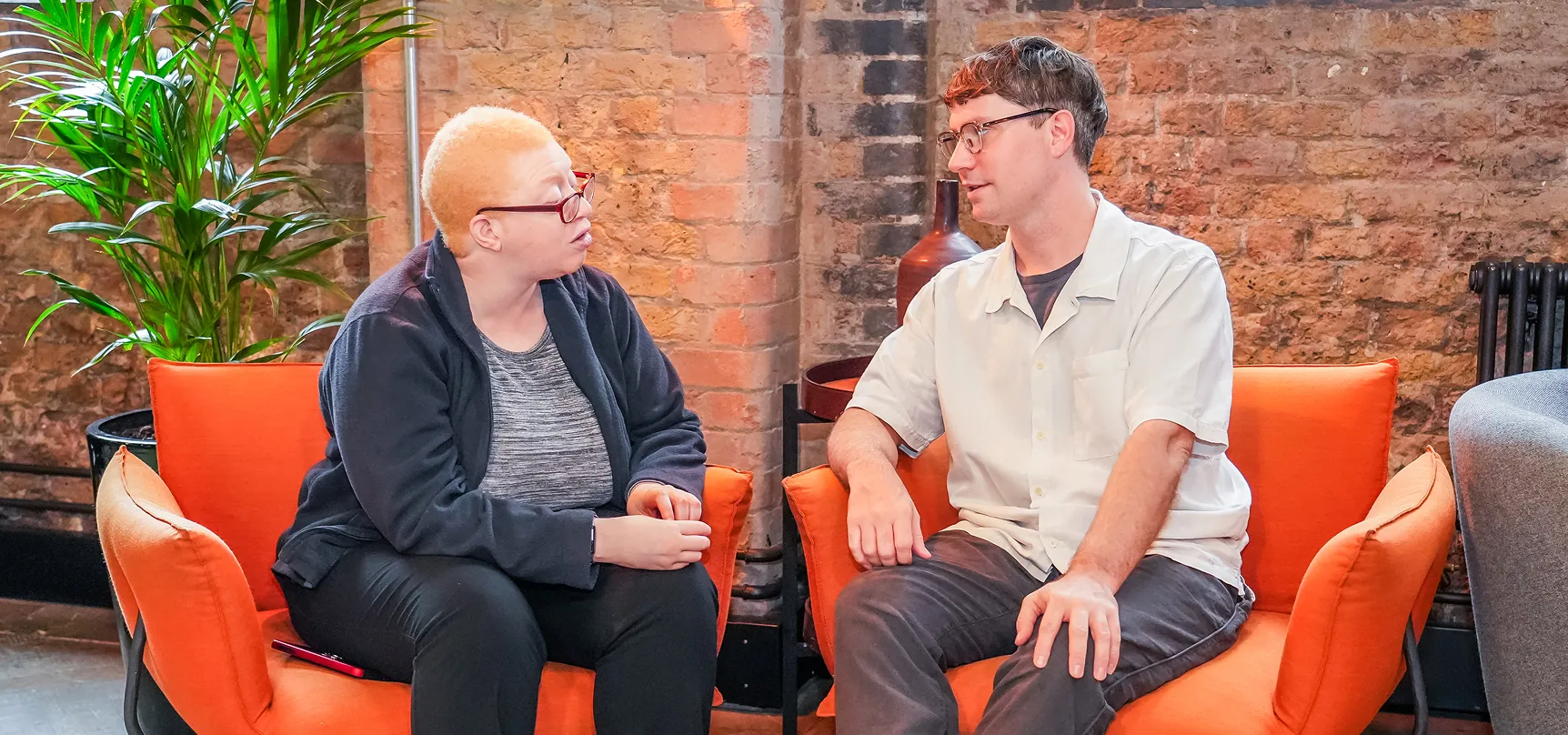
Accessibility is about people
Accessibility isn’t only about rules or checklists. It’s about people being able to use digital content in ways that work for them. People are not disabled by their condition, but by the barriers in their environment. And people experience these barriers when digital content, design, or technology doesn’t account for how they experience the world.
People use digital content in many different ways
People’s abilities can vary for many reasons, including:
- Being born with a disability
- Illness, injury, or medical conditions
- Changes that come with age
- Temporary situations, like recovery or medication
- Everyday contexts, like noise, glare, fatigue, or poor connectivity
Not everyone who experiences barriers identifies as “disabled”, but they may still need content to work differently for them.
One size does not fit all
Designing for flexibility helps more people, more often.
Every person brings a different mix of:
- Abilities
- Preferences
- Tools and devices
- Energy, focus, and stamina
Someone might:
- Use captions one day and not the next
- Need larger text in bright light
- Struggle with long complex content when tired
- Have intersecting accessibility needs
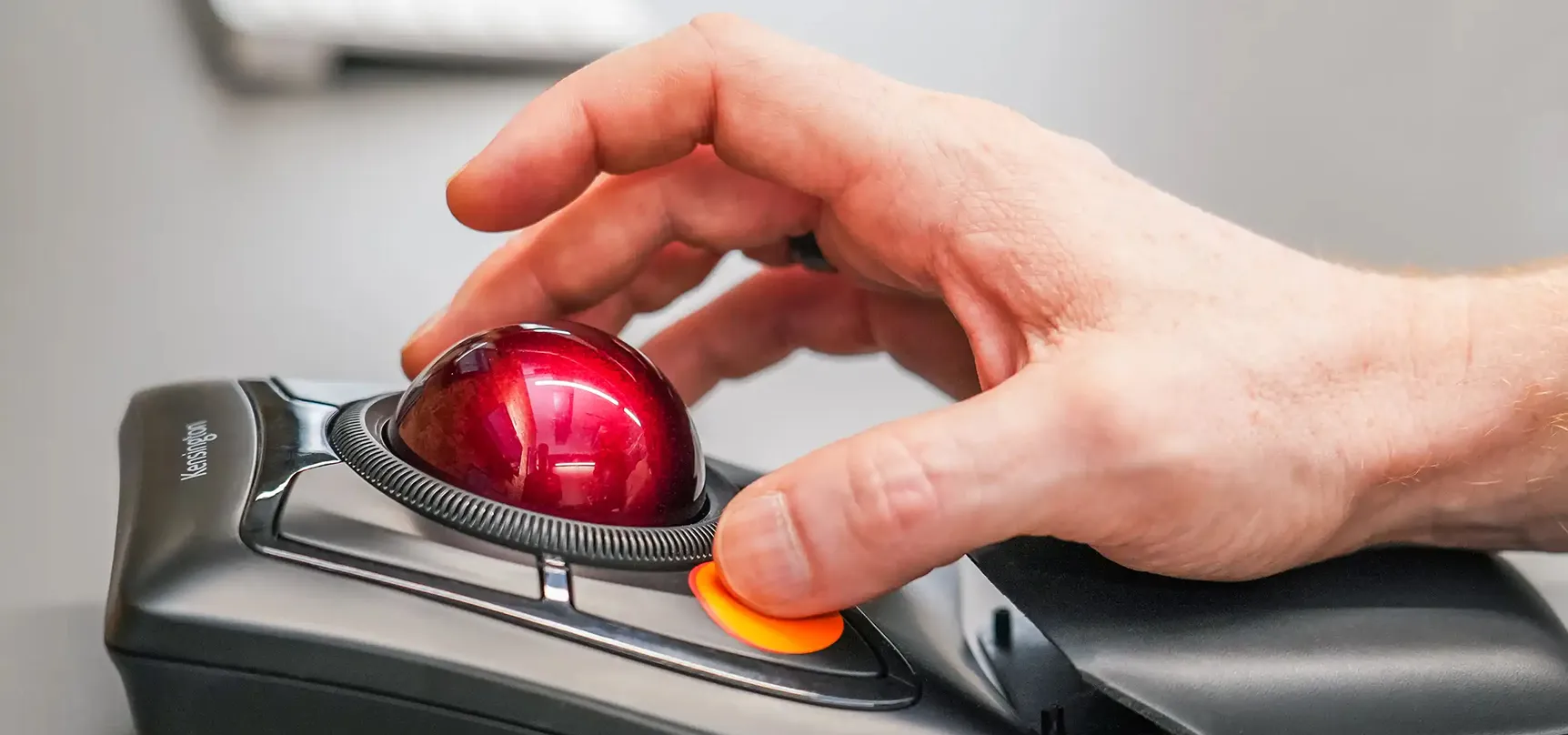
Accessibility needs can change
Accessibility isn’t static.
People’s needs can:
- Change over time
- Vary day to day
- Be temporary or recurring
This is why clear, adaptable content matters more than trying to design for a single “type” of user.
Accessibility benefits everyone
Designing content for a wide range of abilities:
- Improves clarity and understanding
- Reduces effort and frustration
- Helps people in everyday situations (for example, with noise, glare, or small screens)
Inclusive design raises the quality of experience for everyone, not just the few.
Key takeaway for content creators
Don’t design or write for a “typical user”.
Create content that works for a wide range of abilities, situations, and needs.
If your content is:
- Clear
- Flexible
- Easy to understand
- Usable in different conditions
You’re already doing accessibility well.